
Swapping out fast fashion for something more stylish
In a world of fast fashion when consumers are increasingly conditioned to buy cheap, shop more, and throw away faster – clothing swaps offer a more sustainable way of refreshing your wardrobe.
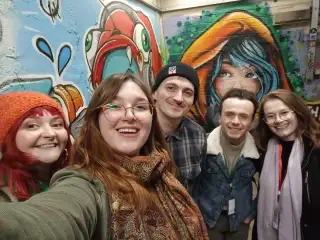
In a world of fast fashion when consumers are increasingly conditioned to buy cheap, shop more, and throw away faster – clothing swaps offer a more sustainable way of refreshing your wardrobe.
Clothing swaps epitomise the circular economy in action. The format is refreshingly
simple: Attendees bring their own unwanted and unloved clothes for others to check out which, in return, allows them to take away other people’s discarded wares. Items that may otherwise be destined for landfill are given fresh life with a new owner.
More and more groups are setting up clothing swaps throughout the country. For example, Change Clothes Dublin operates out of the very centre of Ireland’s capital, The Circular Square hosts similar events in Clonmel, and The Clothes Swap Co-Up has brought the practice into Clare and Limerick.
The latter was initiated by Isabel Power, a graduate of University College Cork (UCC) who first began hosting her own small-scale swaps at a local festival, with just a single rail and a couple of tables of items for people to peruse.
Having achieved a master’s degree in co-operatives, agri-food and sustainable development, Isabel was keenly aware of the ethical issues that exist in the manufacturing of consumer products around the world. It sparked more critical thinking about where her clothes were coming from.
Isabel herself had always been into vintage, loving the “individualistic aspect” of buying old rarities. “I loved wearing unique outfits that could express my own personal style, that no one else was going to be wearing,” she says.
“I think charity shops and second-hand fashion are a really great way for people to explore their personalities and their style. It can be a really affordable way to try out pieces of clothing that you never would have normally.”
Soon enough, Isabel became motivated to level-up her modest clothes swaps to something grander. She pitched the idea of a structured coop to friends and family who’d been helping out with previous events.
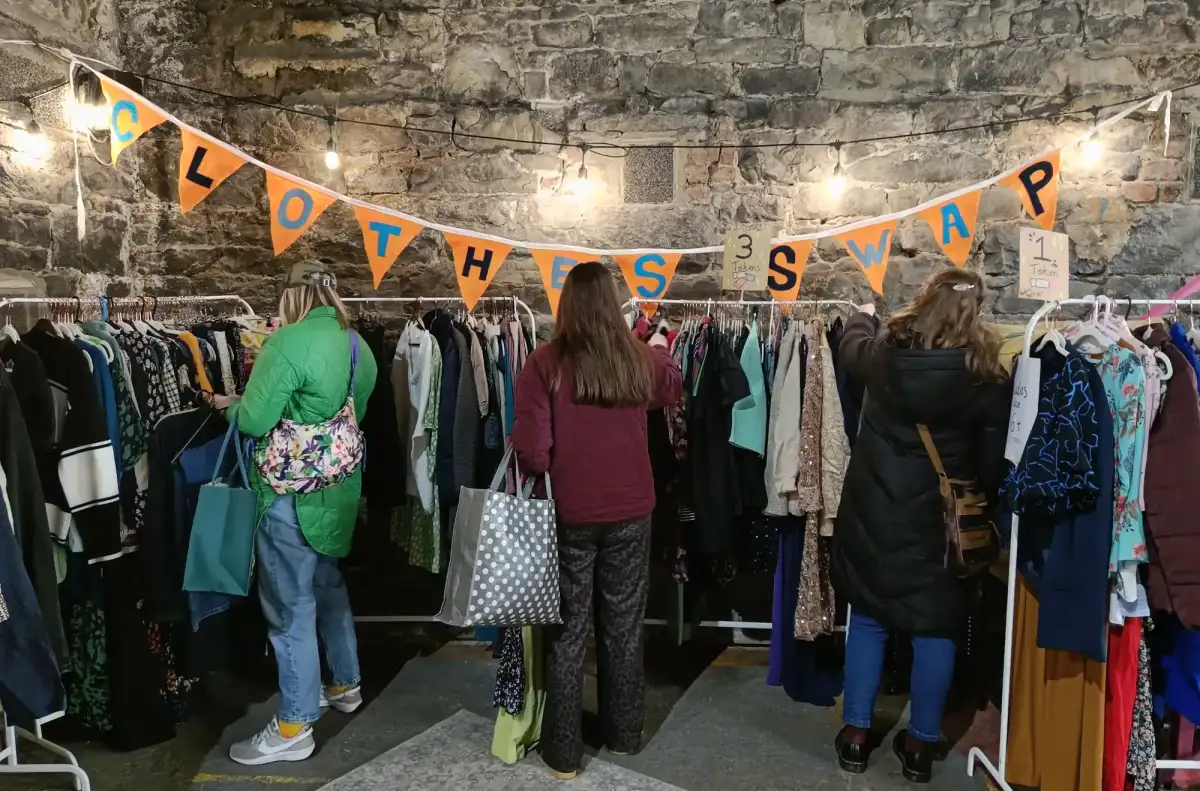
With everything in place, the new Clothes Swap Co-op approached Libraries Clare in August 2025 about hosting larger events. This led to four pop-up clothes swaps held across the next two months, with hundreds of items saved from landfill.
“It’s become a gorgeous community space,” Isabel says. “The events are really lovely; people enjoy taking part in clothes swaps.”
Raising awareness of the nature of the event has, Isabel admits, taken some time: “Some people get it immediately like, ‘Oh, it’s a clothes swap. This is great. I can bring on clothes and we’ll swap’.
Whereas some other people are really confused by the name alone. ‘Clothes swap. What does this mean? Are we swapping clothes on the day? Do I have to take off the clothes I’m wearing?’ No, you don’t have to do that,” Isabel laughs.
There are some guidelines to how the Clothes Swap Coop works. The group generally won’t accept large quantities of unwanted clothing. Instead, people are encouraged to bring five items in good condition – that means no major stains or rips – and in season.
“If it’s a springtime event, we don’t really want a Christmas sweater,” advises Isabel. In exchange for their items, attendees are given tokens. The number of tokens they receive for a piece of clothing depends on factors such as condition, brand and value.
“The token system is great for encouraging people to bring higher quality items,” says Isabel. “It encourages people to bring stuff that they would be happy to give to someone else.”
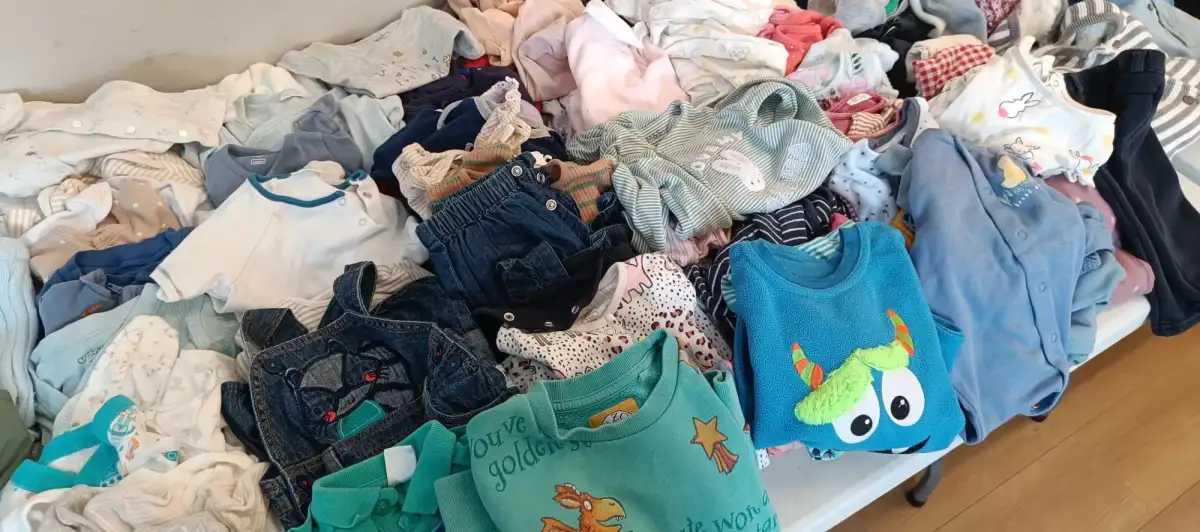
Events have included a repair table that can quickly fix small defects, such as minor tears or missing buttons. The co-op has also organised workshops on sewing. This focus underlines that education is a crucial part of the group’s ethos.
What we are trying to do is encourage people to repair clothes,” says Isabel . “Some people might be inclined to just throw [the clothes] away. We want to empower people with the skills to repair their own clothes through skill sharing.”
It all reinforces to attendees the culture of sustainability. Consider that a study last year found that only 30 percent of clothes taken to clothing banks, or in-store take-back schemes, get recycled. In contrast, trading and repairing offers an uncomplicated form of circular living.
“You don’t have to be an expert in sustainability,” insists Isabel. “You don’t have to be an expert in climate action to come to our events. It’s a really easy, accessible way to engage in circular economy and in sustainability. We all have clothes in our wardrobes that we don’t wear that are still in great condition and deserve a new home.
“Rather than putting them in a clothing bin, when you don’t know where it goes to, why not bring them to a local clothes swap, where you know that someone in your local community will be getting good use out of that item? You’re reducing the carbon footprint of the item, and there’s no better feeling than when you see someone actually take the item that you donated and they’re delighted with it.”
Of course, not everyone will be able to make it to the Clothes Swap Co-Op’s own events in Clare and Limerick. Isabel hopes to soon be able to help other groups establish similar meets around the country. For now, though, she suggests those interested in the concept who can’t make it to an event try something as simple as organising their own swaps with small groups of friends.
“A dream that we have in the future is, by perfecting our model, we can then give our model to other groups to be able to set up under the Clothes Swap Co-op,” she says.
“One aspiration of ours is to be able to scale to new locations and train new people in how to facilitate clothes swaps. It’s trying to make sustainable fashion and circular fashion accessible to everyone.”
This case study was conducted in partnership with Sustainable Media Ireland.