

Toolkit #2: Your Circular Story
How to explain your impact and connect your work to the circular economy
How to find ready-to-use content
What's in this toolkit?
Whether you need help talking about the circular work you're already doing, want to make it a bigger part of your offer, or need to explain your impact to funders - this toolkit gives you the tools to create your story confidently.
Maybe you run repair cafés but struggle to explain why they matter. Perhaps you organise swaps but want to connect them to something bigger. Or you might be doing brilliant circular work without realising it.
Irish statistics with sources
- Electronics & Appliances:
- Irish households recycled over 41,000 tonnes of electronic waste in 2023 (WEEE Ireland, 2024) — equivalent to 200 shipping containers of old phones and laptops
- Clothing & Textiles:
- Irish households discard about 110,000 tonnes of textiles annually (EPA, 2024) — enough to fill the Aviva Stadium halfway to the roof.
Of this, 42,000 tonnes are clothing (EPA, 2024) — like everyone in Cork throwing away their wardrobe twice - Food & Household:
- Irish households waste about €700 worth of food annually (EPA, 2024) — that's €60 worth of groceries in the bin every month
Food waste costs families about €60 monthly (EPA, 2024) — equivalent to binning a full weekly shop
Social media content ideas
-

Origin Stories
How your group started
The problem you noticed in your community
Your first member or volunteer
-
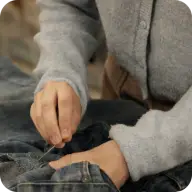
Member spotlights
Someone who learnt a new skill
A successful repair or swap
How membership improved someone's life
-
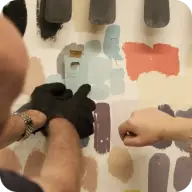
Behind the scenes
Event preparation
Meet your volunteers
Your workspace or meeting spot
-

Seasonal hooks
Back-to-school swaps and repairs
Spring cleaning events
Christmas gift alternatives
New Year sustainability goals
Ready-to-use captions
- Repair success
- "Another win at [event name]! This [item] was heading for the bin until [name] learnt to [repair]. Cost to fix: €[X]. Cost to replace: €[Y]. Skills learnt: priceless. 🔧 #RepairDontReplace #CircularLiving"
- Swap story
- "[Name] found the perfect [item] at our swap today - one person's unwanted becomes another's treasure! Next swap: [date/location]. #CircularCommunity"
- Monthly impact
- "This month: €[amount] saved by our members, [number] items kept in use, [number] new skills learnt. Small actions, big impact. Join us: [next event]."
- Seasonal content
- "Spring cleaning? Before you bin it, bring it to our [event type] on [date]. Give your unwanted items a second chance! #ShareDontWaste"
- Volunteer appreciation
- "Huge thanks to [name] who taught three people to [skill] at yesterday's event. Knowledge shared is knowledge doubled! 🙌 #CommunitySkills"
Troubleshooting common challenges
"People don't understand what we do"
Use specific examples instead of general terms
Lead with the problem you solve, not the solution
Show before/after photos or stories
"We sound too 'worthy' or preachy"
Focus on practical benefits first
Use members' own words and stories
Show the fun and social side
"Hard to explain our environmental impact"
Use local, tangible comparisons
Connect to immediate benefits people care about
Be specific about what waste you prevent
Next steps
-
A. Pick one messaging example that fits your group type
-
B. Customise it with your specific activities and benefits
-
C. Test it with a few members - does it sound like you?
-
D. Use the statistics and social content to support your core message
Questions to guide you:
-
What's the main problem your group solves?
-
What's the biggest benefit your members actually get?
-
How would you explain what you do to a friend in the pub?
-
What would happen if your group disappeared tomorrow?
Remember
The best messaging sounds like your group, not like every other organisation. Be authentic, be specific and focus on what your members genuinely value.